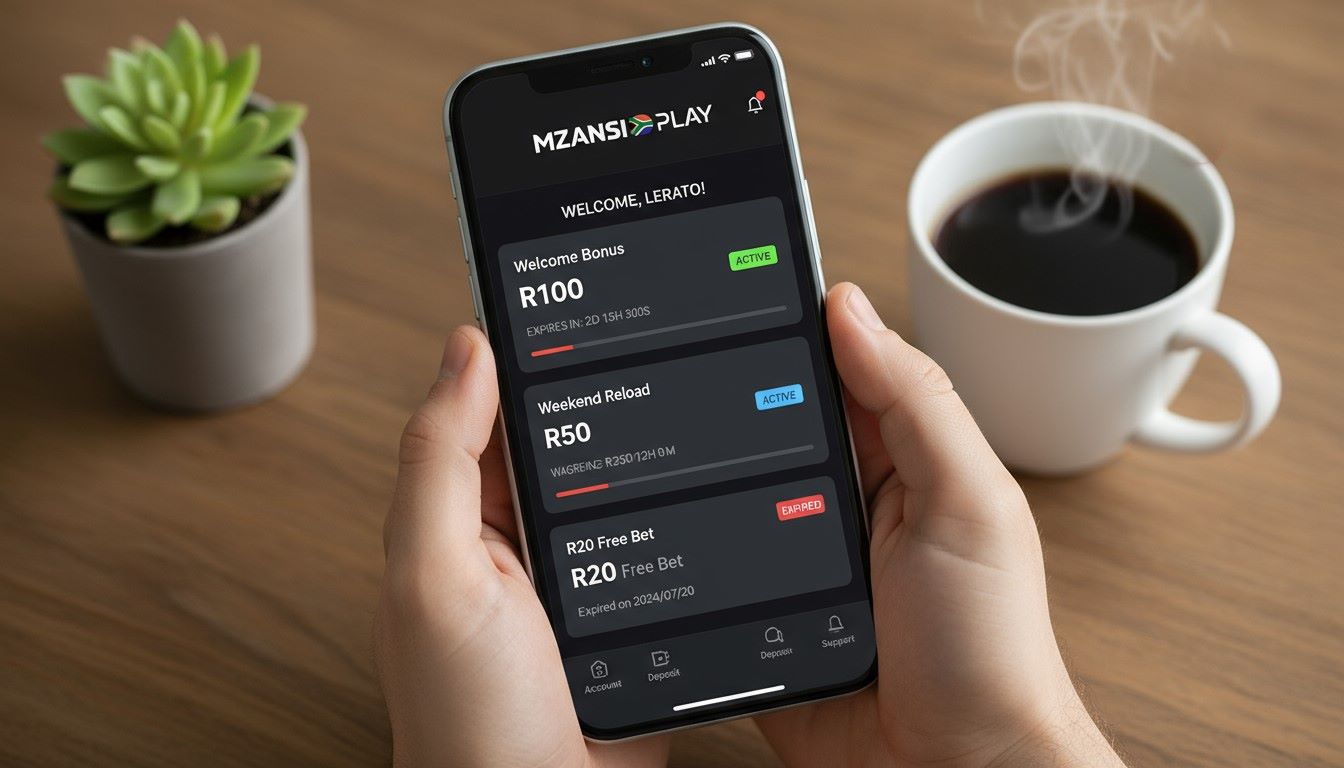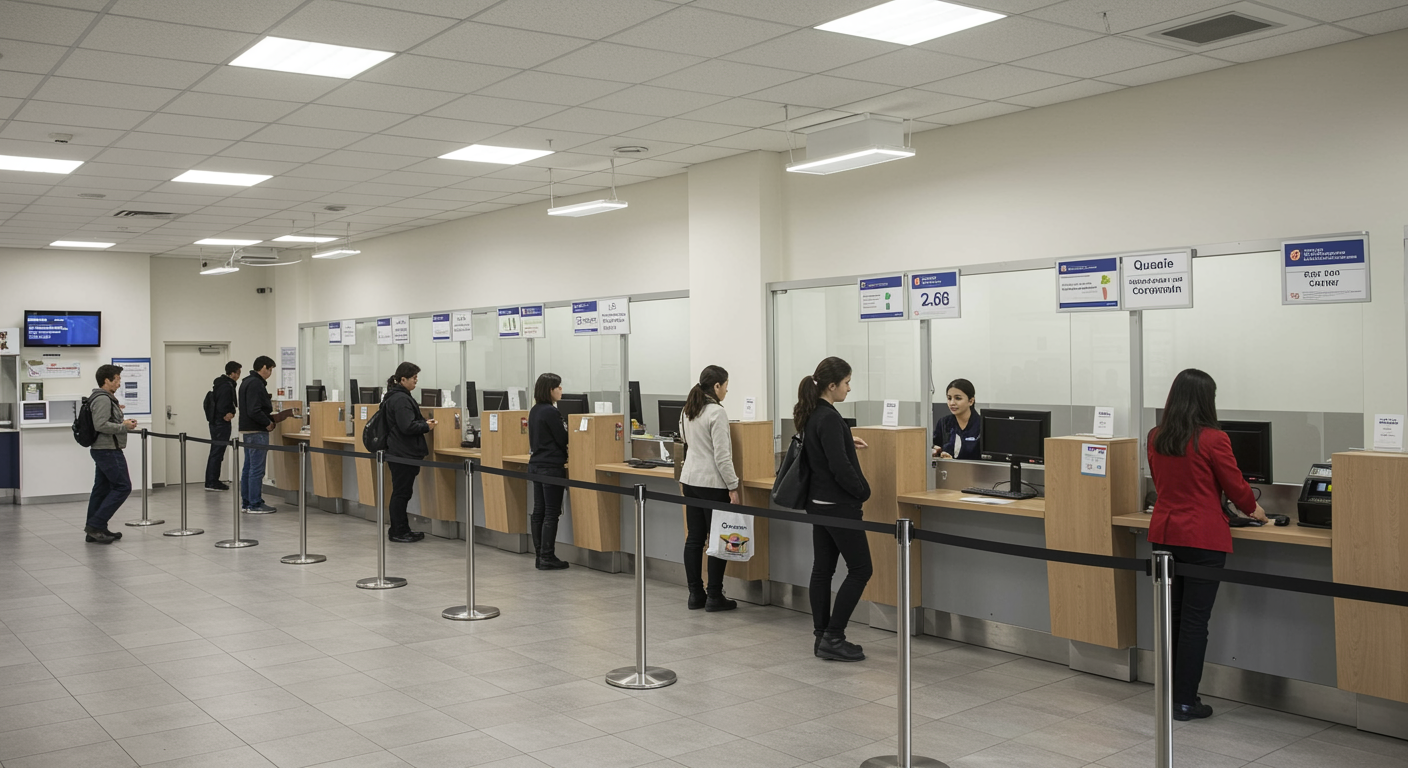
Payout queues during peak hours represent one of the most critical challenges facing gambling operators in South Africa. When thousands of customers converge on betting outlets, casinos, and lottery terminals simultaneously, the strain on payment processing systems can create bottlenecks that frustrate customers and damage business reputation. Understanding how to effectively manage these surge periods requires a comprehensive approach that addresses both technological infrastructure and operational strategies.
The impact of poorly managed queues extends far beyond customer inconvenience, directly affecting revenue streams and long-term customer loyalty. During peak hours, when demand for payouts reaches its highest levels, operators must balance speed, accuracy, and security while maintaining exceptional customer service standards. This delicate balance becomes even more crucial in South Africa’s diverse market, where customers have varying payment preferences and technological comfort levels.
Understanding Peak Hours
Peak hours in South Africa’s gambling industry follow distinct patterns that mirror the country’s unique social and economic rhythms. The most intense periods typically occur during weekend evenings, particularly Friday and Saturday nights between 7 PM and 11 PM, when recreational gamblers flock to venues after work hours. Additionally, major sporting events, especially rugby and soccer matches, create unpredictable surge periods that can overwhelm standard processing capabilities.
Several factors contribute to peak demand fluctuations throughout South Africa. Payday cycles, which vary across different employment sectors, create monthly surge patterns that coincide with increased gambling activity. Public holidays and long weekends generate extended peak periods, while seasonal events like the National Lottery’s special draws or major horse racing events can trigger sudden spikes in payout requests.
The geographical distribution of peak hours also varies significantly between urban centers like Johannesburg and Cape Town versus rural areas. Metropolitan venues often experience multiple daily peaks, while rural establishments may see concentrated activity during specific community gathering times or market days.
Regional Peak Hour Variations
Understanding regional differences in peak hour patterns is essential for effective queue management across South Africa. Coastal regions experience different peak patterns during holiday seasons, with tourist influxes creating extended busy periods that local operators must anticipate and prepare for through enhanced staffing and system capacity.
Payment Processing Challenges
Payment processing during peak hours presents multifaceted challenges that can significantly impact customer satisfaction and operational efficiency. System overloads frequently occur when legacy infrastructure struggles to handle concurrent transaction volumes, leading to processing delays and frustrated customers. Network connectivity issues become more pronounced during high-traffic periods, particularly affecting venues in areas with limited telecommunications infrastructure.
Security protocols, while essential for protecting customer funds and data, can create additional processing time during peak periods when verification systems become overwhelmed. The complexity increases when dealing with various payment methods, from traditional cash payouts to electronic fund transfers and mobile money solutions that are increasingly popular among South African consumers.
Staff training and competency levels directly influence processing efficiency during busy periods. Inexperienced operators may struggle with complex transactions or system errors, creating bottlenecks that compound during peak hours when quick resolution is crucial for maintaining customer satisfaction.
The integration of multiple payment systems often creates compatibility issues that become more apparent under high-volume conditions. When systems fail to communicate effectively, manual interventions become necessary, significantly slowing down the payout process and creating longer queue times.
| Challenge | Impact | Solution |
|---|---|---|
| System Overload | Transaction delays and customer frustration | Implement load balancing and cloud-based processing |
| Network Connectivity Issues | Processing failures and manual workarounds | Deploy redundant internet connections and offline capabilities |
| Security Protocol Delays | Slower verification and customer impatience | Streamline authentication with biometric systems |
| Staff Training Gaps | Inefficient processing and increased errors | Comprehensive training programs and continuous education |
| System Integration Problems | Manual interventions and processing bottlenecks | Unified payment platforms and API standardization |
Technological Solutions for Payment Processing
Modern POS systems equipped with advanced processing capabilities represent the foundation of efficient peak-hour payment management. These systems integrate multiple payment methods into unified platforms, reducing the complexity that staff face during busy periods while maintaining security standards. Cloud-based processing solutions offer scalable capacity that automatically adjusts to demand fluctuations, ensuring consistent performance during peak hours.
Artificial intelligence and machine learning technologies are revolutionizing payment processing by predicting peak periods and pre-allocating system resources accordingly. These smart systems can identify patterns in customer behavior and transaction volumes, enabling proactive capacity management that prevents bottlenecks before they occur.
Real-time monitoring and alert systems provide operators with immediate visibility into system performance and potential issues. This technology enables rapid response to emerging problems and helps maintain optimal processing speeds even during the most demanding peak periods.
Implementing Efficient Payment Systems
Streamlining payment processes requires a systematic approach that addresses both technological and operational aspects of transaction handling. Successful implementation depends on careful planning and attention to customer experience throughout the redesign process.
- Deploy unified payment terminals that handle multiple transaction types, reducing the need for customers to switch between different systems or queues based on their preferred payment method
- Implement pre-authentication systems that verify customer identity during non-peak hours, storing credentials securely to expedite processing when customers return during busy periods
- Establish dedicated express lanes for specific transaction types, such as small payouts or repeat customers, to prevent simple transactions from being delayed by more complex ones
- Create mobile payment options that allow customers to initiate transactions remotely and complete them quickly at the venue, reducing overall processing time
- Install backup power systems and redundant internet connections to ensure payment processing continues uninterrupted during infrastructure failures that often coincide with peak demand periods
Queue Management Strategies
Effective queue management represents a critical component of peak hour operations that directly impacts customer satisfaction and operational efficiency. The importance of strategic queue management extends beyond simply organizing customers in lines; it involves creating systems that optimize flow, reduce perceived wait times, and maintain service quality under pressure. Modern queue management requires understanding customer psychology, operational constraints, and technological capabilities.
Reducing wait times through intelligent queue design and management significantly improves the customer experience while increasing operational throughput. Strategic placement of queue barriers, clear signage, and designated areas for different transaction types help organize customer flow and prevent confusion that can slow down processing during peak periods.
Digital queue management systems provide real-time visibility into wait times and allow for dynamic adjustment of resources based on current demand. These systems can automatically distribute customers across available service points and provide accurate wait time estimates that help manage customer expectations.
Staff allocation strategies play a crucial role in effective queue management, with successful operations implementing flexible staffing models that can quickly adapt to changing demand patterns. Cross-trained employees who can handle multiple types of transactions provide operational flexibility that becomes invaluable during unexpected peak periods.
| Strategy | Benefits | Implementation |
|---|---|---|
| Digital Queue Numbers | Eliminates line confusion and reduces crowding | Install ticket dispensers and digital displays |
| Priority Lane System | Faster service for VIP customers and simple transactions | Designate specific service points and train staff |
| Real-Time Wait Monitoring | Accurate wait time estimates improve customer satisfaction | Deploy sensors and analytics software |
| Mobile Queue Management | Customers can join queues remotely and receive updates | Develop mobile app with queue integration |
| Dynamic Staff Allocation | Optimal resource utilization during varying demand | Implement flexible scheduling and cross-training |
| Entertainment During Wait | Reduced perceived wait time and improved customer mood | Install screens with live sports or gaming content |
| Queue Feedback System | Continuous improvement based on customer input | Deploy feedback terminals and analysis tools |
Optimizing Queue Layout
Queue setup requires careful consideration of physical space constraints, customer flow patterns, and operational efficiency requirements. The most effective layouts create clear pathways that guide customers naturally toward service points while preventing bottlenecks and confusion that can develop during peak periods. Strategic positioning of barriers and signage helps organize customer movement and reduces the stress associated with waiting in crowded environments.
Serpentine queue designs maximize space utilization while creating a psychologically more acceptable waiting experience, as customers continuously move forward rather than standing in static lines. This design approach also facilitates easier management by staff and provides flexibility to adjust capacity based on current demand levels.
Comfort amenities within queue areas, such as adequate lighting, temperature control, and seating options for elderly customers, contribute significantly to customer satisfaction during peak periods. These considerations become particularly important during extended busy periods when customers may experience longer wait times than usual.
Self-Service Options
Implementing kiosks and automated systems provides customers with alternative processing options that can significantly reduce queue pressure during peak hours. Self-service solutions must be designed with user-friendly interfaces that accommodate South Africa’s diverse customer base, including varying levels of technological familiarity and language preferences.
- Conduct thorough site assessment to determine optimal kiosk placement that maximizes accessibility while maintaining security requirements and compliance with local regulations
- Install user-friendly interfaces with multilingual support reflecting South Africa’s linguistic diversity, including clear visual instructions for customers with limited literacy
- Implement comprehensive security measures including surveillance systems, tamper-proof hardware, and secure communication protocols to protect customer data and transactions
- Provide on-site customer support during initial deployment period to assist customers adapting to new self-service options and address any technical issues quickly
- Establish regular maintenance schedules and remote monitoring capabilities to ensure consistent operation during peak periods when kiosk availability becomes most critical
Peak Season Traffic Management
Managing peak traffic requires a comprehensive approach that anticipates seasonal fluctuations and special events that can dramatically increase customer volumes. South Africa’s gambling industry experiences predictable peak seasons during major sporting events, holiday periods, and special lottery draws that require proactive planning and resource allocation. Understanding these patterns enables operators to prepare adequately for surge periods that can overwhelm unprepared systems.
Effective peak season management involves coordinating multiple operational elements, from staffing schedules to inventory management and system capacity planning. Successful operators develop detailed contingency plans that address various scenarios, from moderate increases in customer volume to extreme surge events that can occur during major sporting championships or record-breaking lottery jackpots.
Collaboration with local authorities and security services becomes essential during peak seasons, particularly when customer volumes exceed normal venue capacity. These partnerships ensure that crowd management remains safe and effective while maintaining positive customer experiences that encourage repeat business during regular operating periods.
Technology plays a crucial role in peak season traffic management through predictive analytics that forecast demand patterns and automated systems that adjust capacity in real-time. Advanced monitoring systems provide operators with immediate visibility into queue lengths, processing times, and system performance, enabling rapid response to emerging bottlenecks or technical issues that could compound during busy periods. Mobile applications and digital communication channels help manage customer expectations by providing real-time updates on wait times and alternative service options.
Seasonal Capacity Planning
Seasonal capacity planning requires analyzing historical data to identify patterns and trends that inform resource allocation decisions. This analysis must account for various factors including economic conditions, major sporting events, and cultural celebrations that influence gambling activity levels throughout the year.
Financial Impact of Poor Queue Management
Poor queue management creates significant financial consequences that extend far beyond the immediate customer service implications. Lost revenue from customers who abandon queues during peak periods represents a direct and measurable impact, while the long-term effects on customer loyalty and brand reputation can create lasting damage to business performance. Studies indicate that customers who experience excessive wait times are significantly less likely to return, creating a compound effect on revenue over time.
The ripple effects of inefficient queue management include increased operational costs from emergency staffing, overtime payments, and system repairs that become necessary when infrastructure fails under peak demand pressure. Additionally, poor customer experiences during busy periods often result in negative reviews and word-of-mouth publicity that can damage reputation and reduce new customer acquisition.
Regulatory compliance issues can arise when queue management failures create security vulnerabilities or violate customer protection requirements. These compliance failures can result in significant fines and potentially impact operating licenses, creating financial risks that far exceed the cost of implementing proper queue management systems.
| Impact | Financial Effect | Mitigation |
|---|---|---|
| Customer Queue Abandonment | 15-25% revenue loss during peak periods | Implement digital queue systems and real-time wait estimates |
| Reduced Customer Loyalty | 30-40% decrease in repeat visits | Invest in customer experience improvements and loyalty programs |
| Emergency Staffing Costs | 200-300% higher labor costs during crises | Develop flexible staffing models and cross-training programs |
| Negative Online Reviews | 5-10% reduction in new customer acquisition | Proactive customer service and reputation management |
| Regulatory Compliance Issues | R50,000-R500,000 in potential fines | Regular compliance audits and system updates |
Return on Investment Analysis
Investing in proper queue management systems delivers measurable returns through increased customer satisfaction, reduced operational costs, and improved revenue retention. The initial capital expenditure for modern queue management technology typically pays for itself within 12-18 months through improved efficiency and customer retention rates that significantly exceed the ongoing operational costs of maintaining outdated systems.