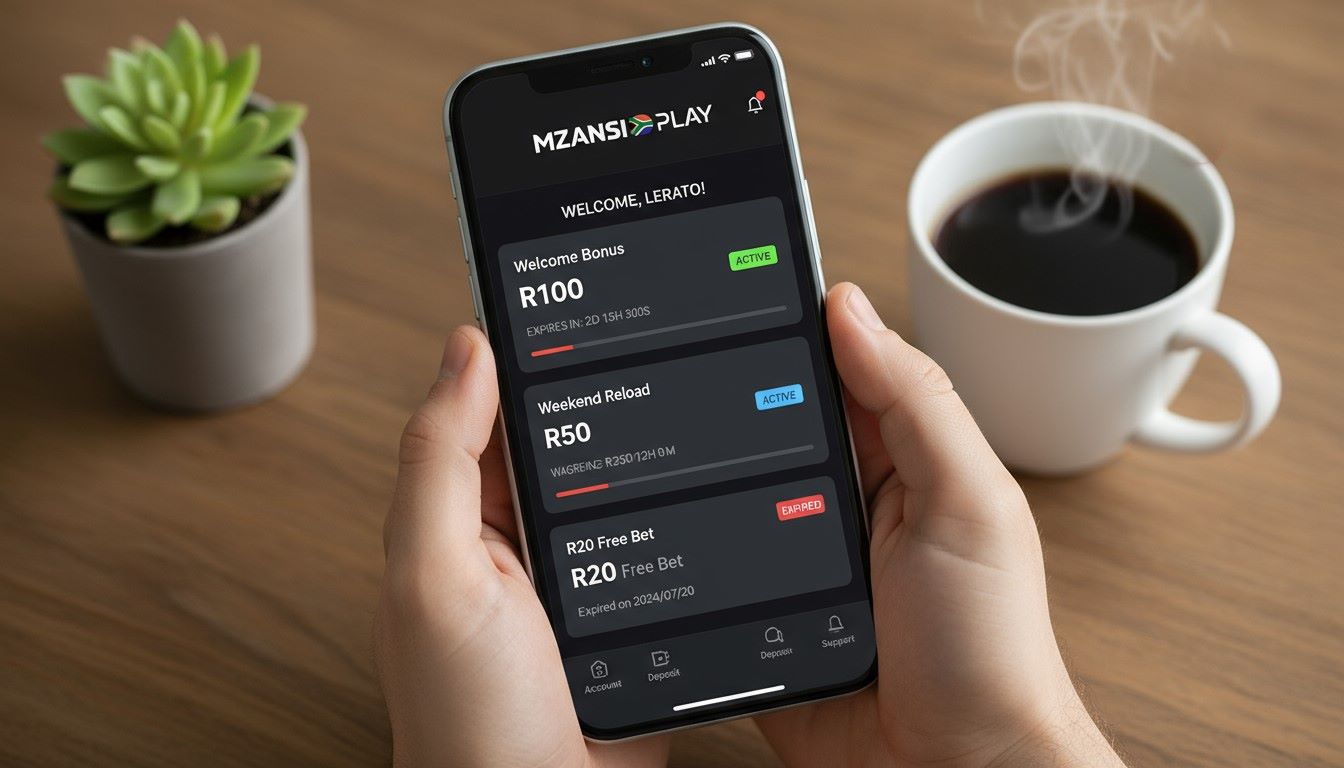
Managing bonus expiration timelines in South Africa requires a comprehensive understanding of legal requirements, practical implementation strategies, and effective communication protocols. This guide explores methods and compliance requirements for managing bonus expiration across multiple sectors, from employment contracts to casino operations, focusing on obligations, payroll processes, and clear communication frameworks.
Businesses operating in South Africa face unique challenges when structuring and managing bonus timelines due to the intersection of labor law, contractual obligations, and industry-specific regulations. By properly implementing systematic approaches to bonus expiry management, organizations can minimize financial and legal risks while maintaining transparency and fairness in their compensation structures.
Legal Foundations of Bonus Expiration in SA
South African labor law establishes no statutory requirement for bonus payments or specific expiry periods beyond what is outlined in employment contracts or company policies. The Basic Conditions of Employment Act and Labour Relations Act provide the framework for employment terms, but bonus structures remain largely contractual matters between employers and employees. This legal position places significant responsibility on employers to clearly define bonus terms, including expiration timelines and forfeiture conditions.
Employment contracts and company policies serve as the primary mechanisms for establishing bonus expiration and forfeiture rules. The absence of statutory mandates means that bonus arrangements are governed by contractual principles and must comply with general fairness and reasonableness standards. Employers must ensure that any bonus expiry terms are clearly communicated, consistently applied, and do not contravene broader employment protection principles.
Bargaining Council agreements may introduce additional considerations for bonus expiry management in specific industries. These sectoral agreements can establish minimum standards or specific procedures that override individual employment contracts, requiring careful review of applicable collective bargaining frameworks when structuring bonus policies.
The legal enforceability of bonus expiry clauses depends heavily on their clarity, reasonableness, and alignment with the overall employment relationship. Courts have consistently emphasized the importance of transparent communication and fair dealing when evaluating disputes related to bonus forfeiture, making proper documentation and communication essential components of any bonus expiry strategy.
Statutory vs. Contractual Terms
The distinction between statutory rights and contractual obligations becomes crucial when analyzing bonus expiry requirements in South Africa. While statutory employment protections establish minimum standards for working conditions, remuneration, and termination procedures, bonus payments typically fall outside these mandatory provisions unless specifically incorporated into sectoral determinations or bargaining council agreements.
Contractual bonus terms must align with statutory employment principles, particularly regarding fairness and non-discrimination. Employers cannot use bonus expiry clauses to circumvent statutory obligations or create unreasonable forfeiture conditions that effectively nullify promised compensation. The Labor Court has consistently held that bonus arrangements must reflect good faith dealing between parties.
Understanding this statutory-contractual divide helps employers structure bonus policies that comply with legal requirements while providing necessary flexibility for business operations. Clear contractual language becomes essential for establishing enforceable expiry timelines that withstand legal scrutiny and provide predictable outcomes for both employers and employees.
Discretionary and Guaranteed Bonuses
Discretionary bonuses provide employers with significant flexibility regarding expiration and forfeiture terms, as these payments depend on management decisions rather than contractual entitlements. Employers can establish expiry timelines for discretionary bonuses with fewer legal constraints, provided they maintain consistency and avoid discriminatory application. The key requirement involves clear communication of the discretionary nature and any applicable time limits.
Guaranteed bonuses, whether performance-based or contractually promised, face stricter legal scrutiny regarding expiration terms. Once a guaranteed bonus becomes due, employers have limited ability to impose arbitrary expiry dates or forfeiture conditions. These bonuses must be treated as earned compensation subject to normal payment obligations and cannot be forfeited without clear contractual provisions and reasonable justification.
Casino Bonus Expiry: Rules and Best Practices
South African online casinos must navigate complex regulatory requirements when implementing bonus expiration policies, balancing player attraction with responsible gambling principles. The National Gambling Board’s oversight framework requires transparent bonus terms, clear time limits, and appropriate player notifications to ensure fair treatment and regulatory compliance. Casino operators must establish comprehensive expiry rules that protect both business interests and player rights.
Effective bonus expiry management in the casino sector involves systematic comparison of different bonus types, their typical expiration periods, and associated forfeiture conditions. Welcome bonuses, reload bonuses, cashback offers, and free spins each require tailored expiry approaches that reflect their intended purpose and regulatory requirements. Player notification methods must ensure adequate advance warning while maintaining engagement and satisfaction.
| Bonus Type | Typical Expiry Timelines | Forfeiture Rules | Player Notification Method | Compliance Notes |
|---|---|---|---|---|
| Welcome Bonus | 30-90 days | Full forfeiture if unused | Email + Account dashboard | Must comply with NGB transparency rules |
| Reload Bonus | 7-30 days | Graduated forfeiture possible | Push notifications + SMS | Shorter periods require advance notice |
| Cashback Bonus | 14-60 days | Partial retention common | Account alerts + Email | Link to responsible gambling tools |
| Free Spins | 1-7 days | Immediate forfeiture typical | In-game notifications | Clear terms display required |
| VIP Loyalty Bonus | 90-365 days | Extended grace periods | Personal account manager contact | Higher tier protection standards |
Casino operators must balance attractive bonus offerings with practical expiry management to maintain sustainable business models while ensuring regulatory compliance. The integration of bonus expiry rules with responsible gambling measures creates additional complexity, requiring careful consideration of player protection alongside commercial objectives.
User Experience Considerations
Bonus expiry rules significantly impact player experience and retention, making thoughtful implementation essential for maintaining positive customer relationships. Effective user experience design around bonus expiration helps avoid player frustration while ensuring clear communication of terms and conditions.
- Implement progressive notification systems that provide multiple advance warnings before bonus expiration, using various communication channels to ensure players receive adequate notice
- Design intuitive account dashboards that clearly display bonus balances, expiry dates, and usage requirements in easily accessible formats
- Create flexible expiry policies that allow reasonable extensions or partial redemptions in cases of technical issues or genuine player circumstances
- Establish clear escalation procedures for handling bonus expiry disputes that prioritize fair resolution and customer satisfaction
Structuring Bonus Terms in Employment Contracts
Effective employment contract clauses for bonus expiration require careful drafting that balances employer flexibility with employee protection and legal compliance. The process involves systematic consideration of various factors including performance metrics, time limits, communication requirements, and forfeiture conditions. Properly structured bonus terms provide clarity for both parties while minimizing potential disputes and ensuring enforceability.
Drafting comprehensive bonus expiration clauses demands attention to South African labor law principles, industry standards, and practical implementation considerations. The language must be sufficiently clear to avoid ambiguity while providing necessary flexibility for changing business conditions. Fair practices in bonus expiry management help maintain positive employment relationships and reduce legal risks.
- Define the specific conditions that trigger bonus entitlement, including performance thresholds, employment status requirements, and timing considerations
- Establish clear expiration timelines that provide reasonable periods for bonus utilization while aligning with business cycles and administrative capabilities
- Specify communication protocols for notifying employees about bonus availability, expiry dates, and any required actions to preserve entitlements
- Include forfeiture provisions that outline circumstances under which bonuses may be lost, ensuring these align with employment law principles and company policies
- Incorporate review and amendment procedures that allow for policy updates while protecting existing employee rights and maintaining contractual fairness
- Address integration with other compensation elements to ensure bonus expiry terms complement overall remuneration structures and avoid unintended consequences
- Establish dispute resolution mechanisms that provide clear procedures for addressing bonus expiry conflicts through internal processes before external proceedings
Problematic Clauses and How to Avoid Them
Common contractual mistakes in bonus expiry clauses can create significant legal vulnerabilities and employment relationship problems. Understanding these pitfalls helps employers draft more effective and enforceable bonus terms while avoiding costly disputes and regulatory issues.
- Avoid overly restrictive expiry periods that create unreasonable forfeiture risks, as courts may view these as unconscionable terms that effectively nullify promised compensation
- Prevent ambiguous language around expiry conditions that could lead to different interpretations and disputes about when bonuses actually expire or become forfeited
- Eliminate discriminatory application possibilities by ensuring expiry terms apply consistently across similar employee categories without creating unfair advantages for specific groups
- Remove clauses that allow retroactive changes to expiry terms without employee consent, as these may violate contractual principles and employment protection standards
- Address gaps in communication requirements that fail to provide adequate notice of expiry, which could render forfeiture provisions unenforceable in practice
Performance vs. Discretionary Bonus Language
Performance-based bonuses require specific contractual language that clearly links expiration terms to measurable outcomes and established review periods. These clauses must define performance metrics, measurement periods, and the relationship between achievement levels and bonus retention. Clear performance bonus language helps ensure that expiry terms align with the underlying rationale for the bonus structure.
Discretionary bonus clauses offer greater flexibility but require careful drafting to maintain employer discretion while providing reasonable employee expectations. The language should clarify the discretionary nature of both the bonus award and any expiry conditions, while ensuring that discretion is exercised fairly and consistently. Balancing discretion with predictability helps maintain positive employment relationships while preserving necessary business flexibility.
Payroll & HR Practices for Managing Bonus Expiry
Systematic payroll and HR protocols for bonus expiry management ensure consistent application of policies while minimizing administrative errors and compliance risks. Effective practices involve coordinated processes between HR, payroll, and management teams to track bonus entitlements, monitor expiry dates, and implement appropriate notifications. These protocols must balance operational efficiency with accuracy and employee communication requirements.
Modern payroll systems and HR tools provide sophisticated capabilities for tracking and managing bonus expiration timelines, but successful implementation requires proper setup, regular maintenance, and clear procedural guidelines. Integration between different systems helps ensure data consistency while automated notifications and reporting features support proactive expiry management.
| Practice | Process Step | Compliance Risk | Efficiency Impact | Notes |
|---|---|---|---|---|
| Automated Tracking | System setup and data entry | Low with proper setup | High efficiency gains | Requires initial investment in system configuration |
| Regular Monitoring | Weekly/monthly review cycles | Medium if inconsistent | Moderate improvement | Balances proactive management with resource allocation |
| Employee Notifications | Multi-channel communication | High if inadequate | Reduces disputes | Critical for legal compliance and employee relations |
| Documentation Management | Record keeping and filing | High without proper records | Supports audit readiness | Essential for dispute resolution and compliance verification |
| Exception Handling | Case-by-case review process | Variable based on consistency | Resource intensive but necessary | Requires clear escalation procedures and decision criteria |
| Performance Integration | Link to performance management systems | Medium complexity risk | Streamlines overall process | Enhances accuracy of performance-based bonus expiry |
Successful bonus expiry management requires coordination between multiple organizational functions and clear accountability for different process elements. Regular training and procedure updates help ensure that staff understand their roles in expiry management while maintaining consistency across different employee groups and bonus types.
Checklist for Year-End Bonus Management
Year-end bonus processing presents unique challenges for expiry management due to concentrated activity periods and complex interactions with annual performance reviews and tax obligations. Systematic checklists help HR and payroll teams navigate these complexities while ensuring compliance with all applicable requirements.
- Review all outstanding bonus accruals and verify expiry dates against current contracts and policies to identify any urgent action requirements
- Coordinate with performance management teams to finalize any performance-based bonus determinations before year-end processing deadlines
- Execute comprehensive employee communications regarding year-end bonus timing, tax implications, and any expiry considerations for the following year
- Update payroll systems with final bonus amounts and ensure proper tax withholding calculations for year-end payments and any carried-forward balances
- Complete documentation requirements for audit purposes and prepare reports on bonus expiry activity for management review and planning
- Conduct post-processing review to identify any issues or improvements needed for future year-end bonus management cycles
Communicating Bonus Expiry and Forfeiture
Effective communication of bonus expiry terms requires strategic timing, appropriate channels, and clear messaging that helps employees understand their obligations and opportunities. The communication approach should balance legal compliance requirements with relationship management goals, ensuring that employees receive adequate information to make informed decisions about their bonus entitlements. Successful communication strategies reduce disputes and enhance employee satisfaction even when bonuses must be forfeited.
Multi-channel communication approaches help ensure that expiry notifications reach employees through their preferred communication methods while providing documentation for compliance purposes. The timing of communications must balance providing adequate notice with avoiding excessive administrative burden or employee confusion about constantly changing timelines.
- Establish standardized notification schedules that provide initial notice, reminder communications, and final warnings at appropriate intervals before bonus expiration
- Use multiple communication channels including email, employee portals, payroll statements, and direct supervisor communications to ensure message receipt
- Develop clear, jargon-free messaging that explains expiry terms, required actions, and consequences in language that employees can easily understand
- Implement confirmation systems that document employee receipt and understanding of expiry notifications for compliance and dispute prevention purposes
- Create escalation procedures for employees who may have missed notifications or face circumstances that affect their ability to meet expiry requirements
- Coordinate communications with other HR activities to avoid overwhelming employees with multiple messages and to reinforce consistent messaging
- Provide accessible resources such as FAQ documents and contact information for employees who need additional clarification about expiry terms
Advance Notice Strategies
Proactive notification systems help employees manage their bonus entitlements effectively while demonstrating employer good faith in bonus administration. Advance notice strategies should account for different employee communication preferences, work patterns, and potential barriers to receiving or understanding notifications.
- Implement tiered notification schedules with initial notices 90 days before expiry, reminders at 30 days, and final warnings at 7 days to provide multiple opportunities for employee action
- Customize notification methods based on employee roles and communication preferences, using appropriate channels for office workers, remote employees, and field staff
- Include specific action items in each notification to help employees understand exactly what they need to do to preserve their bonus entitlements
- Design notifications to integrate with existing HR communication systems and schedules to maximize effectiveness without creating additional administrative burden
- Establish backup notification procedures for employees who may be on leave, secondment, or otherwise unavailable during standard notification periods
Sample Communication Templates
Standardized communication templates ensure consistent messaging while providing flexibility for customization based on specific circumstances or employee groups. Effective templates balance legal precision with accessible language that employees can easily understand and act upon.
Initial notification templates should provide comprehensive information about bonus amounts, expiry dates, required actions, and available resources for questions or assistance. These communications establish the foundation for the expiry management process and should be clear, professional, and encouraging. Reminder templates can be more concise while reinforcing key information and deadlines, while final warning templates should emphasize urgency and consequences while maintaining a supportive tone that encourages appropriate action rather than creating anxiety or resentment.
Forecasting, Reporting, and Auditing Bonus Expiry
Comprehensive forecasting and reporting systems enable organizations to anticipate bonus expiry impacts on financial planning, cash flow management, and employee relations. Modern enterprise systems like SAP and Sage provide sophisticated tools for tracking bonus accruals, modeling expiry scenarios, and generating management reports that support strategic decision-making. Effective forecasting requires integration of HR data, payroll systems, and performance management information to create accurate projections.
Regular auditing of bonus expiry processes helps identify compliance gaps, process inefficiencies, and opportunities for improvement while ensuring that expiry management aligns with legal requirements and organizational policies. Audit frameworks should address both financial accuracy and procedural compliance to provide comprehensive oversight of bonus expiry activities.
| Tool | Purpose | Key Metric | Reporting Frequency | Notes |
|---|---|---|---|---|
| SAP HCM | Integrated bonus tracking | Accrual aging analysis | Monthly | Comprehensive integration with payroll and performance systems |
| Sage 300 Payroll | Payroll-focused expiry management | Expiry forecast accuracy | Bi-weekly | Strong local South African payroll compliance features |
| Excel Analytics | Custom reporting and analysis | Variance from projections | Weekly | Flexible for smaller organizations or supplementary analysis |
| HR Dashboard Tools | Management visibility | Real-time expiry alerts | Daily | Supports proactive management and immediate issue identification |
| Financial Planning Software | Budget and cash flow integration | Cash flow impact modeling | Quarterly | Links bonus expiry to broader financial planning processes |
Integration of bonus expiry management with broader organizational systems creates opportunities for enhanced accuracy and efficiency while supporting strategic workforce planning initiatives. Regular system reviews and updates ensure that forecasting tools remain aligned with evolving business needs and regulatory requirements.
Integrating Bonus Expiry into Annual Audit
Annual audit processes provide important opportunities to review bonus expiry management effectiveness, identify compliance issues, and implement process improvements for the following year. Comprehensive audit coverage should address both financial accuracy and procedural compliance while evaluating the effectiveness of communication and employee relations aspects of expiry management.
Audit integration involves establishing clear criteria for evaluating bonus expiry processes, documenting review procedures, and creating actionable recommendations for continuous improvement. The audit scope should cover system accuracy, policy compliance, communication effectiveness, and financial impact assessment to provide complete oversight of bonus expiry activities and ensure alignment with organizational objectives and regulatory requirements.